
Quick Answer: Limerence meaning, in simple terms, is an intense, involuntary infatuation with another person that goes far beyond a normal crush.
It involves obsessive thoughts, idealization, and a deep craving for the other person to feel the same way back. Unlike love, limerence is short lived and often tied to uncertainty rather than genuine closeness.
What Does Limerence Mean?
The limerence meaning centers on an involuntary state of romantic obsession. It describes a mental and emotional condition where a person becomes fixated on someone, replaying interactions, imagining the future, and craving reassurance that their feelings are returned.
Understanding the limerence meaning helps explain why some infatuations feel so consuming. It is not simple attraction. It is a psychological state that can hijack focus, mood, and even physical health until it runs its course.
The Limerent Object (LO)
The person at the center of this experience is called the limerent object, or LO. The LO does not need to reciprocate feelings for limerence to exist. Uncertainty about the LO’s feelings often intensifies the obsession rather than reducing it.
Who Coined the Term “Limerence”?
Psychologist Dorothy Tennov introduced the term in her 1979 book, after interviewing hundreds of people about their romantic experiences.
Why Tennov Created the Term
Tennov needed a neutral word to describe this pattern of obsessive longing without the baggage attached to words like “love” or “obsession.”
Why the Term Matters in Psychology Today
The limerence meaning is still referenced by therapists to help clients understand intrusive romantic thoughts, especially involving anxious attachment.
Key Signs and Symptoms of Limerence
Intrusive, Obsessive Thoughts
The LO occupies nearly every quiet moment, from waking thoughts to daydreams at work.
Idealization of the Limerent Object
Flaws are minimized or ignored, fueling the emotional pull further.
Emotional Dependency
Mood becomes tied to perceived signs of interest. A reply can trigger joy; silence can trigger despair.
Physical Symptoms
Limerence often mimics anxiety, including a racing heart, sweating, and trouble sleeping.
Behavioral Changes
Routines may shift to increase the odds of running into the LO.
Lack of Control Over the Feelings
Even when someone recognizes the pattern is unhealthy, stopping the thoughts can feel nearly impossible.
Disruption of Daily Life
Work, friendships, and self care often take a back seat while the mind stays fixated on the LO.
The Stages of Limerence
| Stage | What Happens |
|---|---|
| Pre-Limerence | General readiness for connection, no specific person yet |
| Infatuation / Pre-Reciprocity | Attention sharpens toward one person; signals are read closely |
| Crystallization | Obsession peaks; the LO is idealized and thoughts turn intrusive |
| Reciprocity | Feelings are returned, creating intense mutual attachment |
| Dissolution / Deterioration | Idealization fades as reality sets in |
| Post-Limerence | Emotional intensity settles and clarity returns |
Limerence vs. Love: What’s the Difference?
Key Differences
- Limerence is driven by uncertainty; love is grounded in security.
- Limerence idealizes the other person; love accepts flaws.
- Limerence is often short lived; love tends to be enduring.
- Limerence centers on personal longing; love centers on mutual care.
What Psychologists Say
Many psychologists describe limerence as a self focused mental state rather than a relationship built on genuine concern for another person’s wellbeing.
Can Limerence Turn Into Real Love?
Yes. When feelings are reciprocated and a real relationship develops, the intense early phase can settle into a more stable, mature form of love.
Limerence vs. a Crush: Is There a Difference?
A crush is typically lighter and easier to manage. The limerence meaning points to something far more intense and harder to control. A crush fades on its own; limerence can dominate thoughts for months or years.
Is Limerence a Mental Illness or Disorder?
The limerence meaning does not include a clinical diagnosis. It shares traits with anxiety and obsessive-compulsive patterns, and can worsen existing mental health struggles if left unaddressed.
Limerence Meaning by Context
Limerence Meaning in Psychology
In psychology, the limerence meaning refers to an involuntary cognitive and emotional state marked by obsessive romantic longing, closely related to attachment theory.
Limerence in a Sentence
“After weeks of constant texting and daydreaming, she realized what she felt for her coworker was limerence, not love.”
Limerence – Example Scenario
Someone meets a new coworker, exchanges a few friendly messages, and suddenly can’t stop checking their phone or imagining a future together, despite barely knowing them.
Causes and Risk Factors
Attachment Styles
Anxious attachment is strongly linked to limerence, since uncertainty can feel familiar.
Unmet Emotional Needs
A craving for validation can fuel fixation on someone who seems to offer it.
Biological Factors
Dopamine and other reward-related brain chemicals intensify limerent feelings.
Life Circumstances
Loneliness or major life transitions can make someone more prone to limerence.
Fantasy and Imagination
A rich inner fantasy life, with frequently imagined future scenarios, strengthens the obsession.
Real-Life Examples and Scenarios
The Friend Who’s Obsessed
A close friend constantly brings up the same person, analyzing every message for hidden meaning.
The Workplace Crush
A coworker becomes the center of daily thoughts, though nothing has been said outright.
The Ex Who Won’t Let Go
Someone stays fixated on a former partner long after the relationship ended.
The Online Connection
A relationship built mostly through messaging apps can spark limerence, fueled by imagination.
The Celebrity Obsession
Parasocial attachment to a public figure can mirror limerent patterns and idealization.
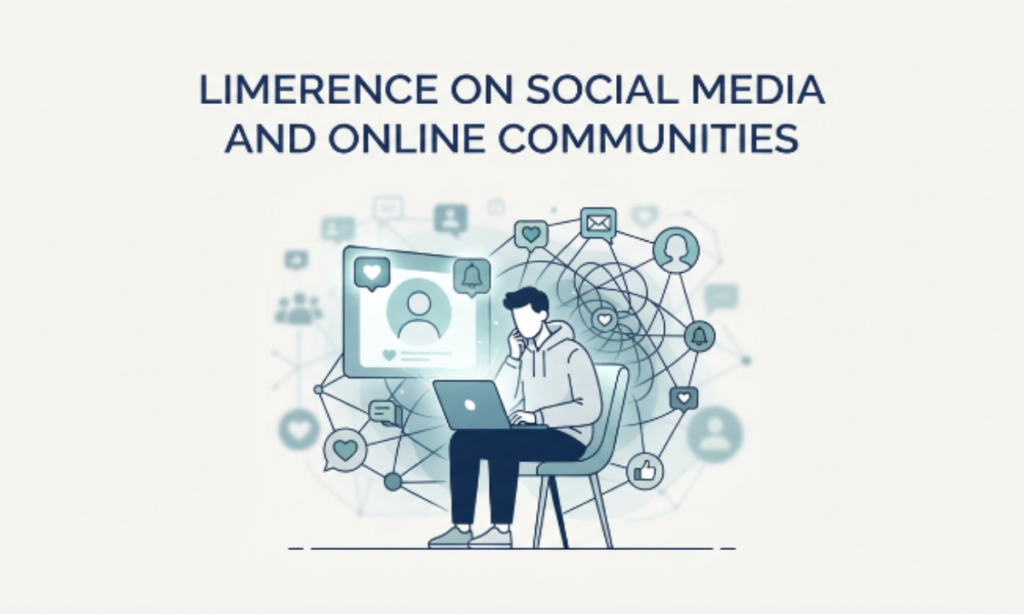
Limerence on Social Media and Online Communities
TikTok
Short videos explaining limerence have helped popularize the term, with creators sharing coping tips.
Twitter / X
Threads discussing limerence often focus on relatable, real time venting about obsessive thoughts.
Reddit and Mental Health Forums
Dedicated communities let people share experiences anonymously and find support from others.
How to Cope With Limerence
Limit Contact With the Limerent Object
Reducing exposure helps quiet the constant mental loop.
Practice Self-Awareness
Naming the experience as limerence, rather than love, creates helpful emotional distance.
Set Personal Boundaries
Deciding in advance how much contact feels healthy can prevent impulsive behavior.
Refocus on Personal Goals
Redirecting energy toward hobbies, career, or friendships helps rebuild identity outside the obsession.
Consider Therapy
A therapist can help address the underlying attachment patterns that fuel limerence.
Practice Mindfulness
Grounding techniques can interrupt intrusive thoughts and reduce anxiety in the moment.
Limerence Meaning by Language
Limerence in French
In French, the concept is often expressed as “état amoureux obsessionnel,” reflecting the same idea of obsessive romantic longing.
Limerence Meaning in Urdu
In Urdu, limerence is generally explained as شدید جذباتی وابستگی یا دیوانگی, describing an intense, consuming emotional attachment.
Limerence Meaning in Farsi
In Farsi, the concept is typically described as شیفتگی شدید و وسواسی, referring to an intense and obsessive infatuation.
Common Misconceptions About Limerence
“It’s Just a Crush”
Limerence is far more intense and disruptive than a typical crush.
“It’s True Love”
Limerence centers on personal longing rather than mutual, grounded care.
“It Will Last Forever”
Most limerent episodes fade over time, through reciprocity, rejection, or distance.
“It Only Happens to Unhealthy or Damaged People”
Anyone can experience limerence, though some attachment styles raise the likelihood.
Limerence vs. Erotomania: Not the Same Thing
Erotomania is a rare delusion in which a person falsely believes someone is in love with them. Limerence is a common emotional experience without delusion; the person usually knows their feelings may not be returned.
When to Be Careful Using the Term “Limerence”
Don’t Use It Casually to Describe Every Crush
Overusing the term dilutes the limerence meaning for people genuinely struggling with it.
Don’t Use It to Diagnose Someone Else
Limerence is not a clinical diagnosis, and labeling someone else’s feelings this way can feel dismissive.
Tips for Managing Limerence
For Those Experiencing It
- Acknowledge the pattern without judgment
- Reduce contact where possible
- Lean on trusted friends for perspective
For Friends and Family Supporting Someone
- Listen without dismissing their feelings
- Avoid harsh judgment or mockery
- Gently encourage healthy coping strategies
Frequently Asked Questions
What is limerence, in simple terms?
The limerence meaning, simply put, is an intense, involuntary infatuation marked by obsessive thoughts and a strong desire for reciprocation.
Is limerence a mental illness?
No, it’s not a clinical diagnosis, though it shares traits with anxiety and obsessive thought patterns.
What does limerence feel like?
It feels like a consuming mix of excitement, anxiety, and longing centered entirely on one person.
How long does limerence typically last?
It can last anywhere from a few months to several years, depending on the person.
What’s the difference between a crush and limerence?
A crush is lighter and fades easily; limerence is intense and much harder to control.
Can limerence turn into love?
Yes, when feelings are reciprocated, limerence can evolve into a stable, lasting relationship.
What causes limerence?
Attachment style, unmet emotional needs, life circumstances, and brain chemistry all play a role.
How do you get over limerence?
Limiting contact, practicing self awareness, and seeking therapy are among the most effective strategies.
Is limerence always one-sided?
Not always, though uncertainty about reciprocation is often what fuels its intensity.
Can therapy help with limerence?
Yes, therapy can help address the underlying attachment patterns that contribute to it.
Is limerence related to attachment styles?
Yes, anxious attachment in particular is strongly linked to limerent experiences.
What are the physical symptoms of limerence?
Common symptoms include a racing heart, trouble sleeping, sweating, and loss of appetite.
What are the three stages of limerence, in short?
Infatuation, crystallization, and deterioration are often cited as the three core stages.
Conclusion
Understanding the limerence meaning brings real clarity to feelings that once seemed confusing. Whether you’re recognizing the signs in yourself or supporting someone else, knowing the difference between limerence and genuine love makes it easier to respond with patience.
With awareness, healthy boundaries, and support when needed, it is possible to move through limerence and come out with a clearer, more grounded sense of connection.